
How to Wholesale Real Estate: Step by Step
The operational sequence for wholesaling a house: source the lead, run the MAO, contract with an assignment clause, find the end buyer, assign or double close, get paid.
Wholesaling a house runs in seven steps: source a motivated seller from public records, run the numbers to a maximum allowable offer, sign a purchase agreement that permits assignment, use the inspection period for real due diligence, find a cash end buyer, assign the contract (or double close), and collect the assignment fee at closing. This page is the sequence. If you want the concepts — what wholesaling is, whether it is legal where you live, what it actually pays — start with real estate wholesaling for beginners.
Step 1 — Source the lead
Every deal starts with an owner who has a reason to sell, and those reasons are recorded at the county. Pull pre-foreclosure filings, absentee owners, probate, tax-delinquent rolls, and vacancy flags. The full free method is in how to find off-market properties.
Do not skip to marketing. A wholesaler with a bad list is a telemarketer.
Step 2 — Run the numbers to a maximum allowable offer
Before you speak to the owner about price, you need the number you will not go above. Estimate the after repair value from comparable sales. Estimate repairs conservatively. Then work backwards.
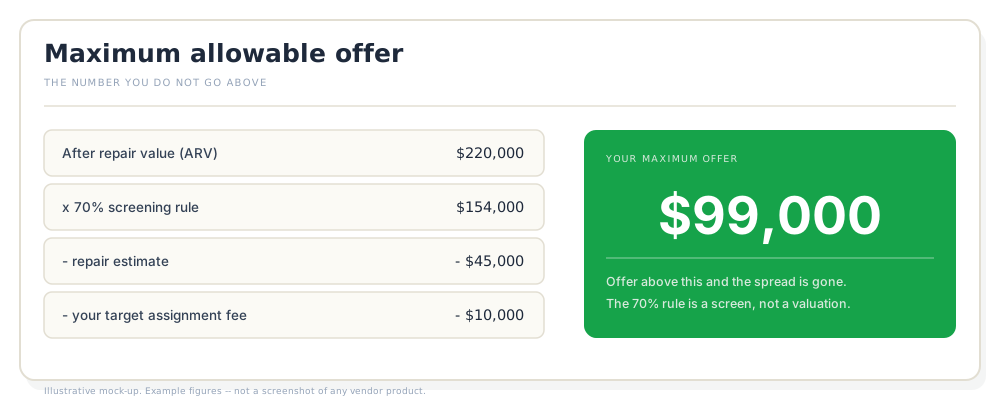
The 70% rule is a screen, not a valuation. It exists to kill bad deals quickly, not to price good ones. Your end buyer will re-underwrite everything you assumed, so build the repair estimate you would defend to a contractor, not the one that makes the spread look healthy.
Step 3 — Get it under contract, with an assignment clause
You sign a purchase and sale agreement with the seller. Two things matter more than anything else in it:
- The contract must permit assignment. Language such as “and/or assigns” after your name, or an explicit assignment provision. Without it, you have nothing to sell.
- Disclose what you are. In Texas this is not optional: Occupations Code 1101.0045 permits you to assign without a license only if you “disclose in writing the nature of the equitable interest to any seller or potential buyer” — and assigning without that disclosure is engaging in real estate brokerage. Oklahoma’s SB 1075 (effective November 1, 2025) goes further for residential deals, requiring written disclosure of your intent to assign at a higher price, a recommendation that the seller seek counsel, and a two-business-day cancellation right (Avenue Legal Group).
Disclose everywhere, regardless. A seller who learns from the closing table that you are assigning at a markup is a seller who cancels, complains, or sues.
Step 4 — Use the inspection period properly
The due diligence window is not a free option to think about it. Use it: walk the property, get a contractor’s number on the repairs, confirm the owner of record and any liens against the title. This is where the deals that would have blown up quietly die instead — which is the outcome you want.
Your earnest money is at risk from the moment the contingency lapses. Treat it like the real deposit it is.
Step 5 — Find the end buyer
You need a cash buyer who will close on your timeline and re-underwrite quickly. Build this list before you need it — our guide on how to find cash buyers pulls them from the same public records, by looking for who has been buying with cash.
Ask for proof of funds every time. A buyer who cannot show funds is a buyer who will renegotiate on day 27.
Step 6 — Assign, or double close
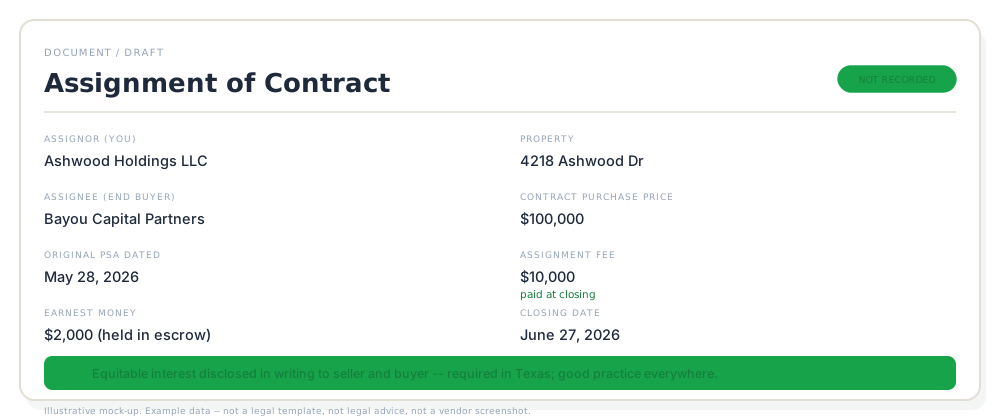
Assignment transfers your rights under the existing contract to the end buyer for a fee. It is one closing, and the fee is usually visible on the settlement statement.
Double closing means two back-to-back transactions — seller to you, you to end buyer. It costs a second set of closing fees and requires funding, but it keeps your spread private. Choose it when the spread is large enough that transparency would kill the deal, and check your state: Oklahoma’s rules were amended to reach wholesaling conduct broadly, and public marketing of an equitable interest there requires a license.
One warning: do not market a property you do not own to the general public. In several states that is brokerage.
Step 7 — Close, and get paid
The title company or closing attorney handles disbursement. Your assignment fee is paid at closing — not on signing, not on handshake. Until the deal funds, you have earned nothing.
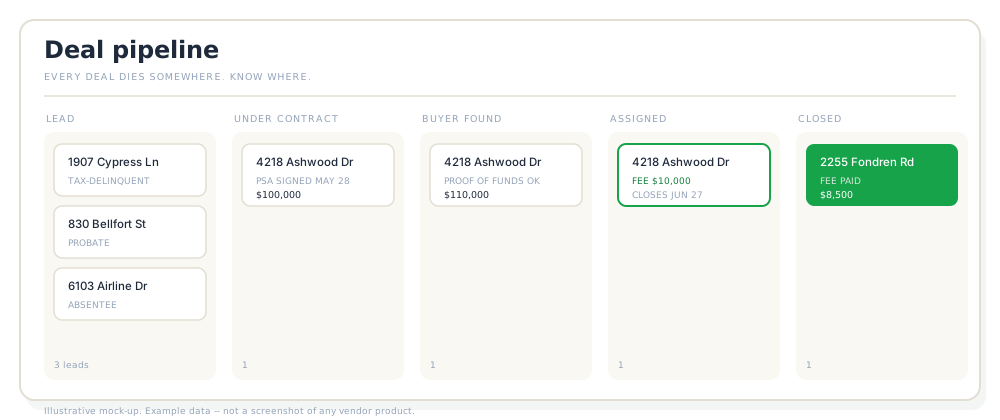
Then you do it again. The pipeline, not any single deal, is the business.
The three places it usually breaks
- No end buyer. You now must close or breach. Build the buyer list first.
- The repair estimate was fiction. The end buyer re-prices, the spread vanishes, and you renegotiate with a seller who no longer trusts you.
- You did not disclose. The cheapest failure to avoid, and the one with statutory consequences.
Everything here is verified against primary sources, per our methodology. None of it is legal advice — wholesaling rules are state law, and several states changed them in 2025. Confirm yours.
Sources
- Texas Occupations Code section 1101.0045 (written disclosure of equitable interest; accessed July 2026)
- Oklahoma SB 1075, enrolled bill and Avenue Legal Group’s analysis (residential disclosures, cancellation right, public-marketing license; effective Nov 1, 2025; accessed July 2026)